
Many business owners believe that increasing website traffic conversion automatically leads to more sales. While attracting visitors is important, traffic alone doesn't guarantee business growth. Imagine 10,000 people visiting your website every month, but only a handful contact you or make a purchase. In that case, the real problem isn't traffic—it's conversion. vg digital helps you to solve that problem
This is where Conversion Rate Optimization (CRO) comes in. CRO focuses on turning more of your existing website visitors into customers without necessarily increasing traffic. By improving user experience, building trust, and making it easier for visitors to take action, businesses can generate more leads and sales from the same amount of traffic.
In this guide, you'll learn what Conversion Rate Optimization is, why it matters, and how to implement effective CRO strategies to maximize your website's performance.
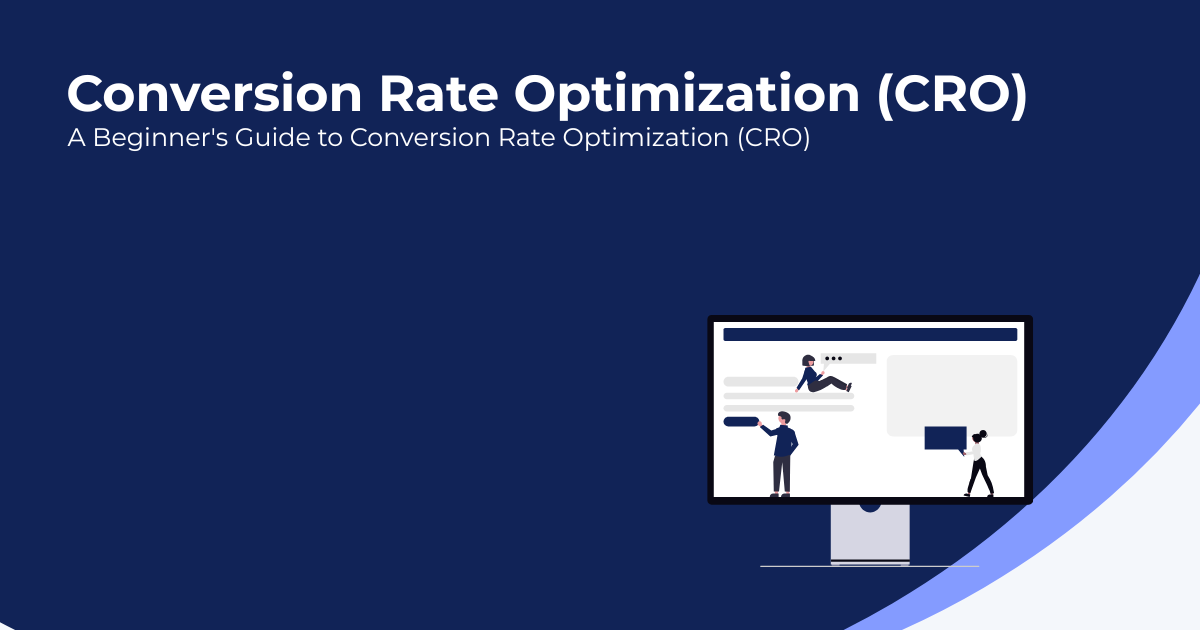
What Is website traffic, Conversion Rate Optimization (CRO)?
Conversion Rate Optimization (CRO) is the process of improving your website so that more visitors complete a desired action.
A conversion can be:
- Filling out a contact form.
- Purchasing a product.
- Booking a consultation.
- Downloading an eBook.
- Signing up for a newsletter.
- Calling your business.
- Requesting a quote.
Instead of focusing only on attracting more visitors, CRO helps you get better results from the visitors you already have.
Why Website Traffic Alone Isn't Enough
Getting thousands of visitors means very little if they leave without taking action.
For example:
- Website Visitors: 10,000
- Contact Form Submissions: 50
- Conversion Rate: 0.5%
Now imagine improving the conversion rate to 2%:
- Website Visitors: 10,000
- Contact Form Submissions: 200
Without spending more money on advertising, you've generated 4× more leads simply by improving your website traffic conversion.
This is why CRO is one of the most cost-effective digital marketing strategies.
What Is a website Conversion Rate?
The conversion rate is the percentage of visitors who complete a desired action on your website.
Formula:
Conversion Rate = (Conversions ÷ Total Visitors) × 100
Example:
- Website Visitors: 5,000
- Leads Generated: 150
Conversion Rate = 3%
Tracking this metric helps businesses measure how effectively their website turns visitors into customers.
Benefits of Conversion Rate Optimization
A strong CRO strategy can help your business:
- Generate more leads from existing traffic.
- Increase online sales.
- Improve return on advertising spend (ROAS).
- Lower customer acquisition costs.
- Improve user experience.
- Increase customer trust.
- Maximize marketing ROI.
Instead of paying for more traffic, you make your current traffic work harder.
Common Reasons Why Website Traffic Conversion isn't costumer
Many websites lose potential customers because of avoidable issues.
1. Slow Website Speed
Visitors expect websites to load quickly. Even a few seconds of delay can increase bounce rates and reduce conversions.
Solution:
- Compress images.
- Use fast hosting.
- Optimize website code.
- Enable browser caching.
2. Confusing Navigation
If users can't quickly find what they're looking for, they'll leave.
Solution:
- Keep menus simple.
- Organize pages logically.
- Highlight important services.
3. Weak Call-to-Action (CTA)
Many websites fail because visitors don't know what to do next.
Examples of strong CTAs:
- Get a Free Consultation
- Request a Quote
- Contact Our Experts
- Book Your Free Audit
- Start Today
Your CTA should stand out and clearly explain the next step.
4. Poor Mobile Experience
Most users now browse on smartphones. A website that doesn't work well on mobile devices loses potential customers.
Best Practices:
- Responsive design.
- Easy-to-click buttons.
- Fast loading pages.
- Readable fonts.
5. Lack of Trust Signals
Visitors hesitate to buy from businesses they don't trust.
Build credibility by adding:
- Customer testimonials.
- Google reviews.
- Case studies.
- Certifications.
- Security badges.
- Client logos.
6. Complicated Forms
Long forms discourage users from completing inquiries.
Ask only for essential information, such as:
- Name
- Phone Number
- Message
The simpler the form, the higher the conversion rate.
Key Elements of a High-Converting Website
Successful websites usually include:
Clear Value Proposition
Tell visitors:
- What you offer.
- Who it's for.
- Why they should choose you.
Strong Headlines
Your headline should immediately capture attention and communicate value.
Example:
Grow Your Business with Data-Driven Digital Marketing
High-Quality Visuals
Use:
- Professional images.
- Real team photos.
- Product images.
- Custom graphics.
- Short videos.
Visual content builds trust and improves engagement.
Easy Navigation
Keep your website clean and organized.
Visitors should find important pages within a few clicks.
Social Proof
Show evidence that others trust your business.
Examples:
- Client reviews.
- Success stories.
- Awards.
- Ratings.
- Case studies.
CRO Best Practices
A/B Testing
Test different versions of:
- Headlines.
- CTA buttons.
- Landing pages.
- Images.
- Forms.
Small improvements can significantly increase conversions.
Optimize Landing Pages
Every advertising campaign should direct users to a dedicated landing page focused on one goal.
Avoid sending ad traffic to generic homepages.
Improve Page Speed
Fast websites improve both SEO and conversion rates.
Use Analytics
Track:
- Bounce rate.
- Conversion rate.
- Session duration.
- User behavior.
- Click maps.
Use data to identify areas for improvement.
Important CRO Metrics
Monitor these KPIs:
- Conversion Rate
- Bounce Rate
- Average Session Duration
- Exit Rate
- Click-Through Rate (CTR)
- Cost Per Acquisition (CPA)
- Customer Lifetime Value (CLV)
- Return on Investment (ROI)
Regular analysis helps optimize your website continuously.
Common CRO Mistakes
Avoid these common errors:
- Focusing only on traffic.
- Ignoring mobile users.
- Using weak CTAs.
- Having slow-loading pages.
- Not testing different designs.
- Overcomplicated forms.
- Lack of trust elements.
- Ignoring analytics.
Even small improvements can have a significant impact on conversions.
Tools for Conversion Rate Optimization
Popular CRO tools include:
- Google Analytics 4
- Google Search Console
- Microsoft Clarity
- Hotjar
- Optimizely
- VWO
- Crazy Egg
These tools help understand user behavior and identify optimization opportunities.
Who Should Invest in CRO?
Conversion Rate Optimization benefits almost every business, including:
- E-commerce stores
- Digital marketing agencies
- SaaS companies
- Healthcare providers
- Real estate businesses
- Educational institutions
- Local businesses
- Service-based companies
If your website receives traffic but isn't generating enough leads or sales, CRO should be a priority.
Driving more traffic to your website is only half the battle. The real success lies in converting visitors into customers. Conversion Rate Optimization (CRO) helps businesses website traffic conversion maximize the value of their existing traffic by improving user experience, building trust, and removing barriers that prevent conversions.
Instead of spending more money to attract additional visitors, focus on making your website more effective. A well-optimized website can generate more leads, increase sales, reduce marketing costs, and improve your overall return on investment.
Whether you're a small business or a growing enterprise, investing in CRO is one of the smartest ways to turn website traffic into real business growth ( website traffic conversion)
More from our blog
See all posts
Recent Posts
- How AI Is Changing Digital Marketing: Key Trends September 15, 2026
- Website Traffic Conversion: How to Turn Visitor in Customer July 29, 2026
- Choose a Digital Marketing Agency: for Your Business July 29, 2026