
Introduction
Digital marketing cost In today's competitive digital landscape, having a website or social media presence alone is no longer enough. Businesses need a well-planned digital marketing strategy to attract customers, generate leads, and increase sales. However, one of the biggest questions business owners ask is:
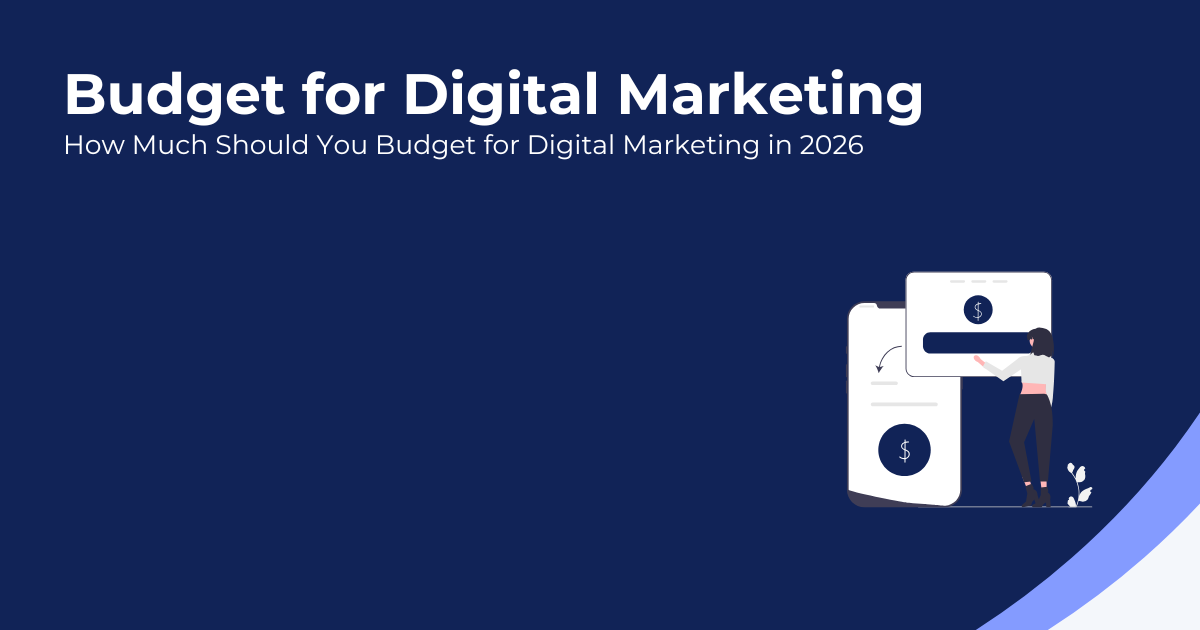
Digital marketing has become an important part of growing a business. Whether you run a small local business, an e-commerce store, or a service-based company, customers are increasingly using search engines, social media, websites, and online reviews before making a decision.
But one question many business owners ask is: How much does digital marketing cost?
There is no single price that applies to every business. Your digital marketing cost depends on your goals, industry, competition, target audience, marketing channels, and the amount of work required.
In this guide, we will explain the factors that affect digital marketing pricing and how businesses can plan a realistic marketing budget.
What Is Digital Marketing Cost?
Digital marketing cost is the amount a business spends on online marketing activities to attract, engage, and convert potential customers.
Depending on your business and agency's digital marketing services requirements, your budget may include:
- SEO
- Google Ads
- Meta Ads
- Social media marketing
- Content creation
- Website development
- Local SEO
- Conversion rate optimization
- Email marketing
- Analytics and reporting
Some businesses may need only one or two services, while others may require a complete digital marketing strategy.
Why Digital Marketing Cost Varies
Digital marketing is not a fixed-price service because every business has different requirements.
For example, a small local business targeting one city may have very different marketing requirements from an e-commerce company targeting customers across India.
What Factors Affect Digital Marketing Cost?
Understanding the factors behind digital marketing cost can help you decide where your budget should go.
1. Your Business Goals
Your goals have a direct impact on your marketing budget.
For example, your goal could be:
- Increasing website traffic
- Generating leads
- Getting phone calls
- Increasing online sales
- Building brand awareness
- Improving local visibility
A lead-generation campaign may require a different strategy and budget compared with a campaign focused mainly on brand awareness.
2. Your Target Audience
The size and location of your target audience can also affect your digital marketing cost.
A business targeting customers in one city may have a different budget requirement from a company targeting customers across multiple cities or countries.
3. Competition in Your Industry
Competition is another important factor.
If many businesses are targeting the same keywords and audiences, you may need more time and resources to build visibility.
For SEO, competitive keywords may require more content, technical optimization, backlinks, and ongoing work.
For paid advertising, competition can also influence advertising costs.
4. Marketing Channels You Choose
Your overall digital marketing cost also depends on which channels you use.
You might focus on:
- SEO
- Google Ads
- Social media
- Content marketing
- Website optimization
- Local SEO
Using multiple channels can require a larger budget, but it can also create more opportunities to reach potential customers.
Digital Marketing Cost for Different Services
Different digital marketing services have different pricing models and resource requirements.
SEO Cost and Digital Marketing Budget
SEO usually requires ongoing work rather than a one-time campaign.
An SEO strategy can include:
- Keyword research
- On-page optimization
- Technical SEO
- Content creation
- Internal linking
- Local SEO
- Performance monitoring
What Affects SEO Cost?
The SEO cost can depend on:
- Website size
- Number of target keywords
- Industry competition
- Current website condition
- Content requirements
- Target location
SEO is generally a long-term activity, so businesses should plan their budget accordingly rather than expecting immediate results.
Google Ads Cost and Digital Marketing Budget
Google Ads generally involves two different types of spending:
Advertising budget: Money paid to the advertising platform for clicks or other campaign interactions.
Management cost: The cost of planning, creating, monitoring, and optimizing campaigns.
What Affects Google Ads Cost?
Your Google Ads cost can depend on factors such as:
- Keywords
- Industry
- Competition
- Target location
- Campaign objectives
- Landing page quality
- Conversion rate
A larger advertising budget does not automatically guarantee better results. Campaign structure, targeting, ad quality, tracking, and landing pages also matter.
Social Media Marketing Cost
Social media marketing can include much more than simply publishing posts.
A professional social media strategy may involve:
- Content planning
- Post design
- Reels
- Captions
- Hashtag research
- Community engagement
- Performance analysis
- Paid social campaigns
What Affects Social Media Marketing Cost?
The social media marketing cost can depend on the number of platforms, posting frequency, content requirements, video production, and whether paid advertising is included.
For example, managing Instagram and Facebook may require a different level of work compared with managing several platforms simultaneously.
Website Cost and Digital Marketing Budget
Your website is often the destination where marketing traffic eventually lands.
If your website is difficult to use, slow, unclear, or not mobile-friendly, your marketing efforts may not perform as expected.
Website-related expenses can include:
- Website design
- Development
- Hosting
- Maintenance
- Landing pages
- Conversion optimization
- Technical improvements
Why Website Quality Matters for Digital Marketing Cost
Spending money to bring visitors to a website that does not convert can reduce the effectiveness of your overall marketing investment.
This is why website optimization should be considered when planning your digital marketing budget.
How Much Should a Small Business Spend on Digital Marketing?
There is no universal budget that works for every small business.
Instead of choosing a number randomly, start by considering:
- Your monthly revenue
- Your marketing goals
- Customer acquisition requirements
- Target audience
- Competition
- Available internal resources
- Marketing channels you need
Start With a Clear Digital Marketing Budget
A practical approach is to divide your budget between different activities.
For example:
Marketing Budget → Strategy + Execution + Advertising + Content + Measurement
The exact allocation should depend on your business goals.
A local service business may prioritize SEO and Google Ads, while an e-commerce business may require a stronger combination of paid advertising, content, social media, and conversion optimization.
Digital Marketing Agency Cost vs In-House Marketing
Another factor businesses consider is whether to hire an agency or build an internal marketing team.
Digital Marketing Agency Cost
An agency may provide access to multiple marketing skills through one team.
Depending on the agency, services may include:
- SEO
- Google Ads
- Social media
- Content
- Website development
- Analytics
- Strategy
The digital marketing agency cost depends on the services, scope of work, experience, and level of support required.
When an Agency May Be Useful
An agency can be useful when:
- You don't have an internal marketing team
- You need multiple marketing skills
- Your team doesn't have enough time
- You want professional campaign management
- You need ongoing strategy and reporting
How to Reduce Digital Marketing Cost Without Cutting Quality
Reducing marketing expenses does not always mean choosing the cheapest service.
Instead, focus on using your budget efficiently.
1. Define Your Target Audience
A clear audience helps prevent spending money on people who are unlikely to become customers.
2. Choose the Right Marketing Channels
You don't necessarily need to be active on every platform.
Focus on channels where your potential customers actually spend time.
3. Track Your Results
Monitor metrics such as:
- Leads
- Cost per lead
- Website traffic
- Conversion rate
- Ad clicks
- Search visibility
- Sales
4. Improve Your Website
A better website experience can help turn existing traffic into more enquiries or sales.
5. Test Before Scaling
Instead of immediately increasing your budget, test campaigns, audiences, keywords, and content first.
Once you understand what works, you can consider increasing investment.
How to Calculate Your Digital Marketing Budget
A simple way to think about your digital marketing budget is:
Total Marketing Budget = Strategy + Marketing Services + Advertising Spend + Content + Tools
For example, if you are running Google Ads, your total marketing investment may include both the advertising spend and the cost of managing the campaigns.
This distinction is important because a business may have a large advertising budget but still need professional support to manage it effectively.
Is Cheap Digital Marketing Always Better?
Not necessarily.
When comparing digital marketing pricing, don't look only at the monthly price.
Also consider:
- What services are included?
- How often will work be completed?
- Who will manage your campaigns?
- Will you receive reports?
- Is conversion tracking included?
- Are content and creatives included?
- Is there a long-term contract?
- How transparent is the communication?
A cheaper package may include fewer services, while a higher-priced package may include more strategy, content, optimization, and reporting.
The important thing is to understand what you are actually paying for.
How to Choose a Digital Marketing Package
Before selecting a package, clearly define what your business needs.
Choose Services Based on Your Goal
If your main goal is organic search visibility, SEO may be a priority.
If your goal is quick paid traffic, Google Ads may be more relevant.
If you want to build an online audience, social media and content marketing may be useful.
If your website receives traffic but generates few leads, conversion rate optimization may need attention.
Ask What Is Included
Before agreeing to a package, ask the agency:
- What services are included?
- How many platforms are covered?
- How often will reports be shared?
- What metrics will be tracked?
- Who will manage the account?
- What additional costs should I expect?
This can help you compare services based on actual value rather than just price.
Final Thoughts on Digital Marketing Cost
Digital marketing cost depends on much more than a monthly package price.
Your business goals, industry competition, target audience, marketing channels, website, advertising budget, and required level of support can all influence your total investment.
Instead of asking only, “How much does digital marketing cost?”, consider asking:
“What marketing activities does my business actually need, and what budget can support those goals?”
A clear strategy can help you spend your marketing budget more effectively and focus on activities that support measurable business outcomes.
FAQs About Cost
What Is the Average Digital Marketing Cost?
There is no single average cost that applies to every business. Digital marketing cost varies based on services, business goals, competition, target audience, and campaign requirements.
What Is the Digital Marketing Cost for a Small Business?
Small-business marketing budgets can vary significantly. A business should consider its goals, target market, competition, and the channels required before deciding on a budget.
Is SEO Cheaper Than Google Ads?
SEO and Google Ads work differently. SEO generally involves ongoing optimization and content work, while Google Ads involves advertising spend and campaign management. The right option depends on your business goals.
Does Digital Marketing Include Ad Spend?
Not always. Some agencies charge separately for managing campaigns and the actual advertising budget paid to platforms such as Google or Meta.
How Can I Reduce My Digital Marketing Cost?
You can improve efficiency by choosing the right channels, defining your audience, tracking results, improving your website, and testing campaigns before increasing your budget.
Should I Hire a Digital Marketing Agency?
It depends on your goals, internal resources, budget, and marketing requirements. An agency can provide access to multiple digital marketing skills and ongoing campaign support
More from our blog
See all posts
Recent Posts
- How AI Is Changing Digital Marketing: Key Trends September 15, 2026
- Website Traffic Conversion: How to Turn Visitor in Customer July 29, 2026
- Choose a Digital Marketing Agency: for Your Business July 29, 2026